

Tour operators are stuck in a trap. You pay Viator 20-30% commission on every booking. GetYourGuide takes another cut. TripAdvisor wants their piece. By the time you factor in operational costs, your margins are razor thin.
I have spent the last decade helping tour operators break free from this dependency. When I built dive center in Costa Rica, we went from zero visibility to ranking #1 for dive-related searches in the region, and 80% of our bookings came direct. No OTA commissions eating our profits. This guide breaks down exactly how tour operators can achieve the same results through strategic SEO.
Why OTA Dependency Is Killing Your Profit Margins
Let me be direct about something most SEO consultants will not tell you: OTAs are not inherently evil. They serve a purpose. The problem is when they become your primary booking channel.
I have audited over 50 tour operator websites. The pattern is consistent. Operators who rely on OTAs for more than 40% of bookings are essentially running their business on someone else’s platform, subject to their algorithm changes, their commission increases, and their review policies.
Here is what OTA dependency looks like in practice:
- Viator increases commission from 20% to 25%. You absorb it because you have no alternative.
- A competitor pays for premium placement. Your bookings drop 30% overnight.
- One negative review tanks your ranking. Recovery takes months.
- Platform algorithm changes. Tours that ranked first now sit on page three.
The solution is not abandoning OTAs entirely. The solution is building a direct booking channel through SEO that gives you leverage and options.
Keyword Strategy for Tour Operators: Beyond the Obvious
Most tour operators target the same keywords. “Snorkeling tour Cancun.” “Wine tour Napa Valley.” “Safari tour Kenya.” These are high-volume, high-competition terms dominated by OTAs with massive domain authority.
You will not outrank Viator for “snorkeling tour Cancun” anytime soon. But you can absolutely outrank them for queries they are not optimizing for.
The Three-Tier Keyword Framework
When I work with tour operators, I build keyword strategy around three tiers:
Tier 1: Experience-Specific Long-Tail
These are queries that describe specific experiences rather than generic tour types. “Night snorkeling with manta rays Kona” instead of “snorkeling tour Hawaii.” “Private wine tasting with winemaker Willamette” instead of “wine tour Oregon.”
OTAs struggle with these because their inventory is standardized. You can create pages that match exactly what searchers want.
Tier 2: Problem-Solution Queries
Travelers search for solutions to problems, not just tours. “Best time to see whale sharks Isla Mujeres” leads naturally to booking a whale shark tour. “How to avoid crowds at Machu Picchu” leads to early morning tour bookings.
I built an entire content strategy for a Galapagos tour operator around these queries. Within 18 months, informational content was driving 35% of their direct bookings through strategic internal linking.
Tier 3: Comparison and Decision Queries
“Group vs private tour Colosseum.” “Is a guided hiking tour worth it in Patagonia.” These queries catch people at the decision stage. They already know they want a tour. They just need help choosing.
Tools I Actually Use for Tour Operator Keyword Research
Forget generic keyword tools that give you the same data as everyone else. Here’s my actual method for researching keywords for the tourism industry:
- Ahrefs: I look at what keywords smaller tour operators rank for that OTAs do not.
- Google Search Console: Your existing data is gold. Filter for queries where you rank positions 8-20. These are your quick wins.
- AlsoAsked: For understanding the full question landscape around your tour types.
- Google Autocomplete: Still underrated. Search your tour type and note every suggestion. These are real queries from real people.
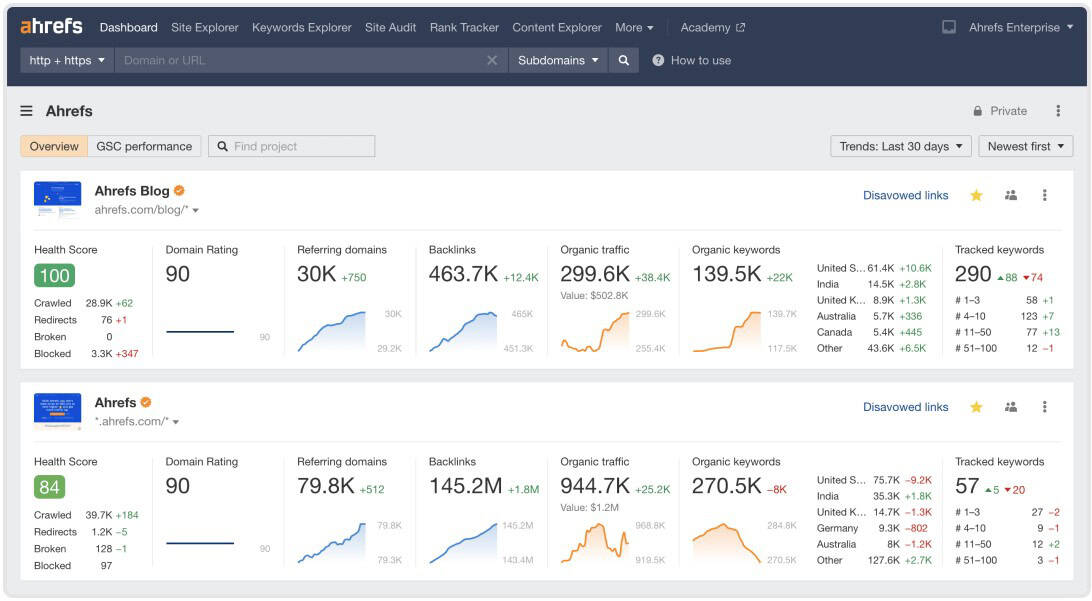
Ahrefs Panel
Content Strategy That Actually Converts
Content for tour operators is not about word count. I have seen 500-word tour pages outrank 3,000-word guides because they answered the searcher’s question better.
Tour Landing Pages: The Foundation
Every tour needs a dedicated landing page optimized for its primary keyword. This sounds obvious, but I regularly audit tour operator sites with 50 tours and 5 pages.
A proper tour landing page includes:
- Clear H1 with primary keyword and location
- Specific itinerary with times and activities
- What is included and what is not, explicitly stated
- Honest information about difficulty level and physical requirements
- Pricing transparency, or at minimum a “from” price
- Social proof: reviews, photos from actual guests, specific numbers
- Booking widget above the fold on mobile
When I rebuilt CostaRicaDivers landing pages, we added specific details that generic OTA listings could not match. Water temperature by month. Visibility conditions. What marine life to expect in each season. This level of detail signals expertise to both Google and potential customers.
Supporting Content: The Traffic Engine
Tour landing pages alone will not build enough authority to compete. You need supporting content that establishes topical expertise.
For a diving operation, this means content about:
- Marine life guides specific to your dive sites
- Best time to visit for different conditions
- Equipment guides and preparation advice
- Comparison content between destinations or tour types
- Local area guides that position your tours within a broader trip
This content does two things. First, it captures informational traffic and funnels readers toward bookings. Second, it builds topical authority that strengthens your tour page rankings.
Entity Optimization: The GEO/AEO Angle
Here is where most tour operator SEO stops, and where the real opportunity begins.
Google is increasingly understanding entities, not just keywords. Your tour operation is an entity. Your guides are entities. The locations you operate in are entities. The experiences you offer are entities.
To optimize for entities:
- Create a robust About page that establishes your organization as a known entity
- Build individual guide profiles with credentials, certifications, and expertise
- Use consistent naming across your site, Google Business Profile, and third-party mentions
- Implement proper schema markup that defines relationships between entities
This matters for traditional SEO, but it matters even more for AI visibility. When ChatGPT or Perplexity recommends tour operators, they pull from entities they understand and trust. I have written extensively about this shift toward.
Technical SEO for Tour Operators
Technical SEO issues are embarrassingly common in the tour operator space. Most sites run on WordPress with a booking plugin that was never properly configured.
Site Architecture That Works
Your site structure should mirror how people search for tours:
Homepage
├── Tours (main category)
│   ├── [Destination] Tours
│   │   ├── [Specific Tour Page]
│   │   └── [Specific Tour Page]
│   └── [Activity Type] Tours
│       ├── [Specific Tour Page]
│       └── [Specific Tour Page]
├── Destinations (informational)
│   ├── [Destination Guide]
│   └── [Destination Guide]
└── Blog/Resources
This structure creates clear topical clusters and internal linking paths. Each destination page links to relevant tours. Each tour page links back to destination content.
Core Web Vitals: The Booking Killer
I have seen tour operators lose 40% of mobile conversions because their booking widget takes 8 seconds to load. This is not hypothetical. I have the data from multiple client sites.
Tour booking pages are often the worst performers because:
- Calendar widgets load external JavaScript
- Availability checkers make multiple API calls
- High-resolution tour photos are not properly optimized
- Third-party review widgets add render-blocking resources
My priority order for technical fixes:
- Image optimization: serve WebP, lazy load below-fold images, use proper sizing
- Booking widget performance: defer non-critical scripts, consider server-side rendering
- Mobile experience: booking flow must work flawlessly on phones
- Core Web Vitals: LCP under 2.5s, CLS under 0.1
Schema Markup for Tours
Proper schema can get you rich results in SERPs. For tour operators, implement:
- TourTrip schema: Specifically designed for tour products
- LocalBusiness schema: For your operation overall
- Review schema: If you have reviews on your site
- FAQPage schema: For your FAQ sections
- BreadcrumbList: For navigation
I test all schema markups with Google’s Rich Results Test before deploying. Broken schema is worse than no schema.
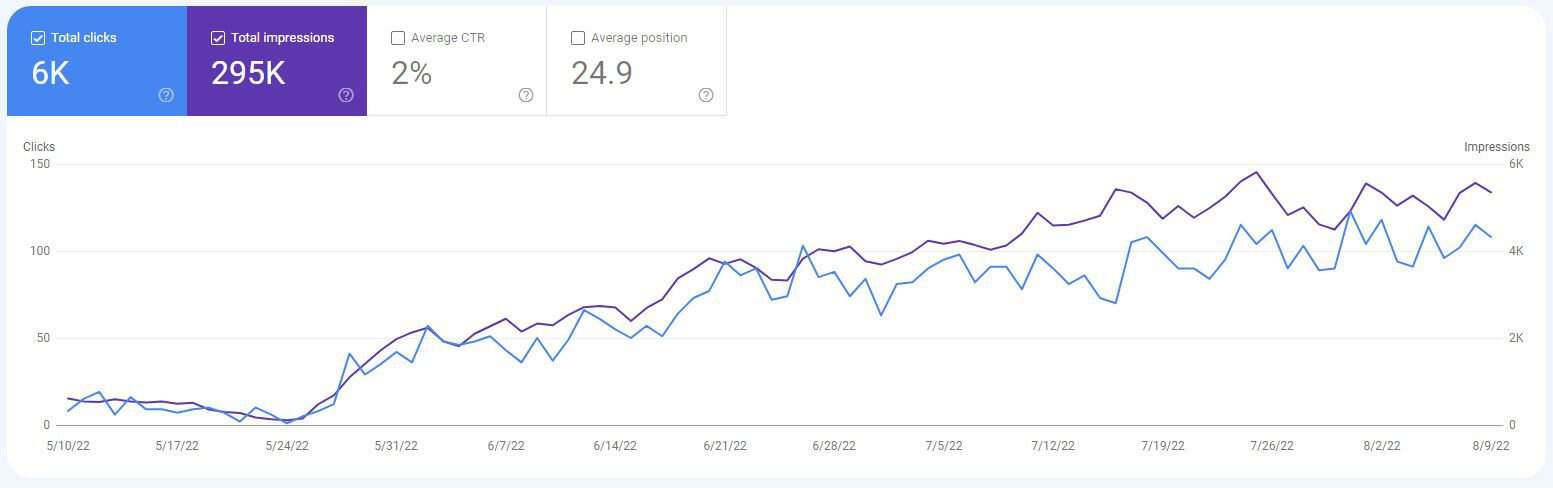
Changes following technical SEO improvements
Link Building for Tour Operators
Let me save you time: guest posting on generic travel blogs will not move the needle. You need links that signal local relevance and industry authority.
Local Tourism Boards and DMOs
Most destinations have official tourism websites. Many have partner or member directories. Getting listed often requires simply being a legitimate business and filling out an application. These links carry significant local authority.
Travel Bloggers with Actual Audiences
Not bloggers who email you asking for free tours in exchange for exposure. Bloggers who rank for queries related to your destination and have engaged followings. I look for bloggers ranking on page one for “things to do in [your destination]” queries.
Offer something genuinely useful. Behind-the-scenes access. Expert quotes for their articles. Unique data about your destination they cannot get elsewhere.
Supplier and Partner Links
If you use specific equipment brands, work with specific hotels, or partner with other operators, many will link to you from their partner pages. These are natural, relevant links that Google values.
Local Business Associations
Chamber of commerce memberships, adventure tourism associations, dive industry organizations. These links establish legitimacy and local relevance.
PR and Earned Media
When something newsworthy happens, pitch it. New conservation initiative? Rare wildlife sighting? Industry award? Local and travel media pick up these stories, and the resulting links are powerful.
Measuring What Matters
Vanity metrics kill tour operator SEO efforts. Ranking #1 for a keyword nobody searches for is worthless. Traffic that does not convert is just server cost.
Metrics I Track for Tour Operator Clients
- Revenue per organic session: Total organic booking revenue divided by organic sessions. This is your north star.
- Booking conversion rate by landing page: Which pages convert and which leak visitors.
- Organic visibility for commercial keywords: Track rankings for keywords that actually drive bookings, not just traffic.
- Direct booking percentage: Your OTA independence metric. Track this monthly.
- Cost per acquisition comparison: What does an organic booking cost you versus OTA commission? This justifies continued SEO investment.
Attribution Challenges
Tour bookings often involve multiple touchpoints. Someone reads your blog, leaves, comes back via branded search, then books. Proper attribution requires:
- Google Analytics 4 with enhanced ecommerce tracking
- UTM parameters on all campaign links
- First-touch and last-touch attribution comparison
- Booking source field in your reservation system
Real Results: What Realistic SEO Can Achieve
I want to be honest about expectations. SEO for tour operators is not a quick fix. You are competing against platforms with thousands of employees and billions in funding.
But I have seen consistent results when operators commit to the strategy:
- A Costa Rica dive operation went from 0 to 200+ monthly organic bookings over 24 months
- A European walking tour company reduced OTA dependency from 70% to 35% in 18 months
- A safari operator increased direct booking revenue by 340% over two years while organic traffic grew 520%
The common thread: these operators treated SEO as a business channel, not a marketing tactic. They invested in content, technical improvements, and authority building consistently over time.
FAQs About Tour Operator SEO
How long does it take to see results from SEO for tour operators?
Expect 6-12 months for meaningful results on competitive keywords. You might see quicker wins on long-tail terms within 3-4 months. Anyone promising first-page rankings in 30 days is either targeting keywords nobody searches for or using tactics that will eventually get you penalized.
Should tour operators still list on OTAs while building SEO?
Absolutely. OTAs are a distribution channel, not the enemy. The goal is reducing dependency, not elimination. I recommend keeping OTA listings active while building direct channels. As organic bookings grow, you can strategically reduce OTA inventory or raise OTA prices to drive direct bookings.
What is the biggest SEO mistake tour operators make?
Creating one generic page for multiple tours or destinations. Every distinct tour needs its own optimized landing page. I have seen operators with 30 tour products and 3 website pages wonder why they are not ranking. The fix is obvious, just time-consuming.
How much should tour operators budget for SEO?
This depends heavily on your market competitiveness and current site state. A small operator in a niche market might see results with $2,000-3,000 monthly investment. Operators in competitive markets like major European cities or popular beach destinations need $5,000-10,000+ monthly to compete effectively. Compare this to OTA commissions on your current booking volume to assess ROI potential.
Can small tour operators compete with OTAs in search results?
Not on head terms, at least not directly. But you can absolutely compete on long-tail queries, local searches, and experience-specific keywords. More importantly, you can capture branded searches from people who discovered you elsewhere and are ready to book direct. A realistic SEO strategy targets achievable keywords first, building authority over time to compete for more competitive terms.
Do Google reviews impact SEO for tour operators?
Yes, significantly. Google Business Profile reviews impact local pack rankings directly. Review quantity, recency, and rating all matter. Beyond rankings, reviews influence click-through rates and conversion rates. I recommend systematic review collection as part of every tour operator’s SEO strategy.
Ready to Reduce Your OTA Dependency?
If you are tired of paying 20-30% commissions on every booking, SEO is your path to direct revenue. It requires investment and patience, but the ROI is clear: every booking that comes direct instead of through an OTA goes straight to your bottom line.
I work with tour operators across multiple destinations to build sustainable organic visibility. If you want a clear assessment of your current SEO status and a realistic plan for direct booking growth, reach out for a consultation.

About the Author
I’m Peter Sawicki, a Destination SEO Strategist helping tourism brands and DMOs grow their online presence through SEO, technical audits, and creative digital strategies. Over the years I’ve worked across multiple countries and markets, which gives me a global perspective on every project I take on. When I’m not optimizing websites, you’ll most likely find me underwater. Scuba diving is where my two biggest passions meet.